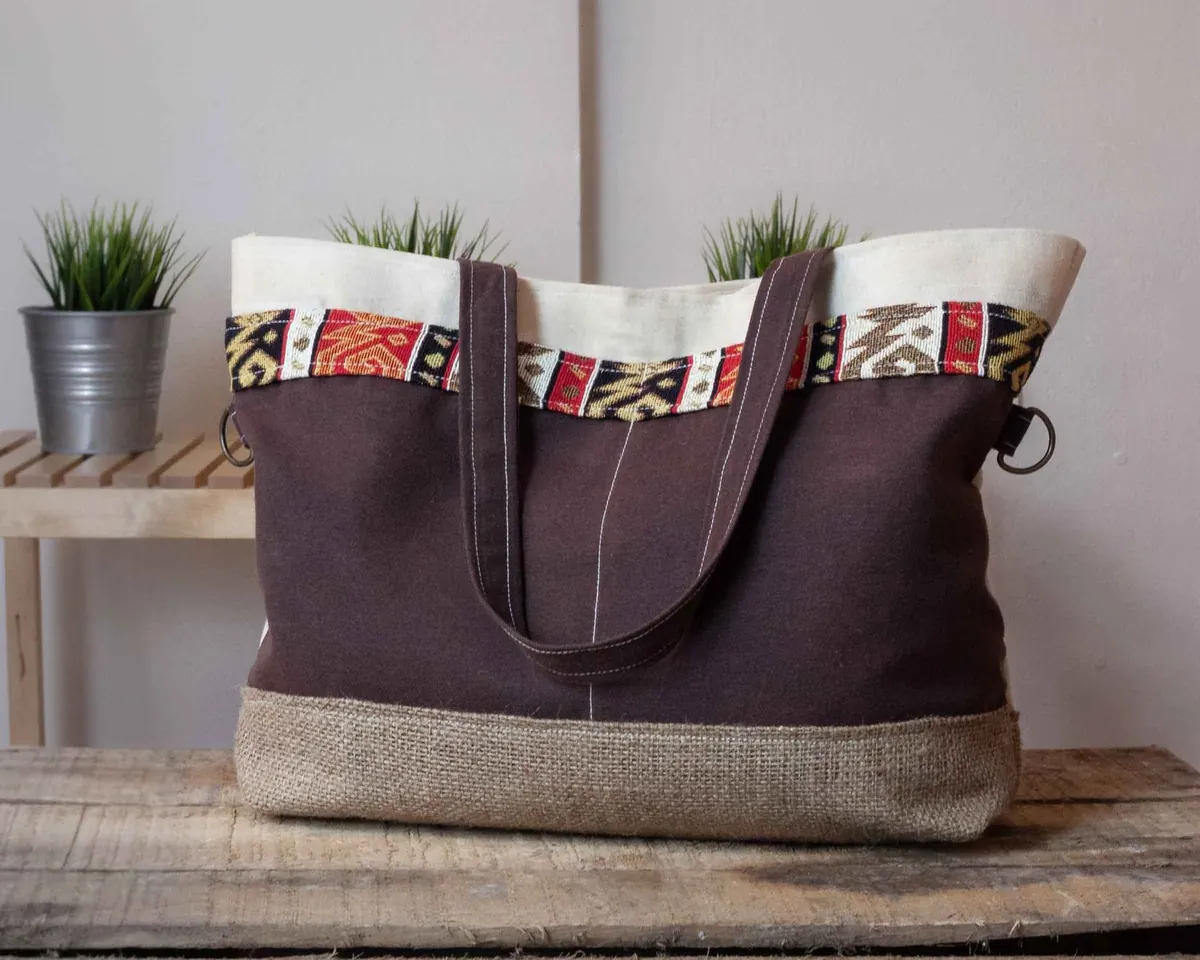
How to Sew a Simple Tote Bag from Fabric Scraps
Turn leftover fabric into a lined, sturdy tote bag with reinforced handles — a beginner-friendly sewing...

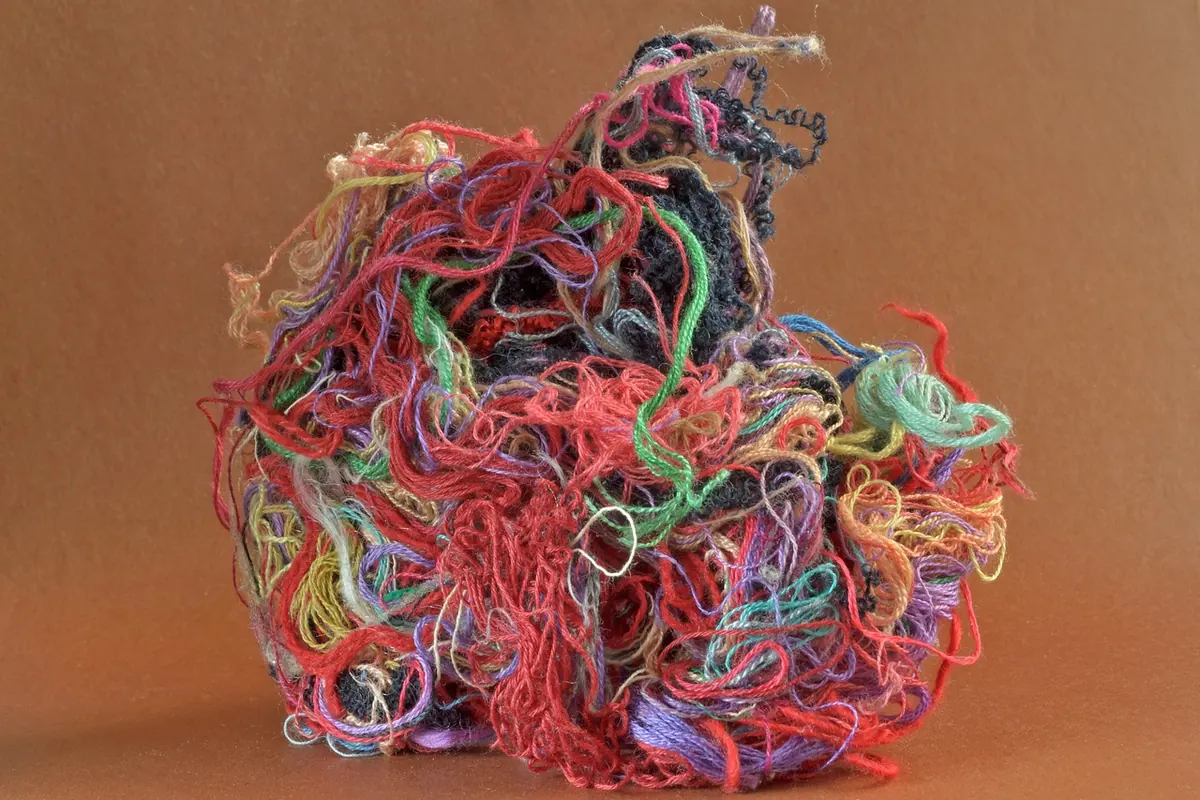
Walk into a decent yarn shop and the British wool shelf reads like a map of the countryside: Shetland, Cheviot, Romney, Herdwick, Bluefaced Leicester. That is a lot of names to hold in your head before you have cast on a single stitch. The reassuring part is that British wool becomes easy to choose once you understand two things — which breeds do which jobs, and how yarn weight works. Get those clear and picking a ball of yarn stops being a guess.
Britain's sheep were bred for landscape, weather and history rather than for one uniform fleece, which is exactly why the range is so wide. A Herdwick grazing a Cumbrian fell and a Bluefaced Leicester in a lowland field produce wool that behaves nothing alike.
Much of it is spun here too, often by small mills working in short runs. That means you can buy yarn identified by breed rather than by a nameless blend, and often trace it back to a farm or a region. Breed-specific yarn tends to keep more of its natural character: a little lanolin, a bit of texture, a faint smell of sheep that disappears after the first wash.
Is it pricier than a budget acrylic? Usually, yes. Is it worth it? For anything you intend to wear for years, often it is.
Fleece character runs along a spectrum from fine and soft to coarse and tough. Fine fleeces sit comfortably against skin but wear faster. Coarse fleeces last for decades but feel scratchy on a neck. Most British breeds land somewhere between the two.
If a label names a breed, take it at face value. It tells you more about how the yarn will behave than any amount of copy on the sleeve.
Yarn weight describes thickness, not heaviness. The names mix British and American conventions and the two do not always line up. The biggest trap is the word "worsted", which in the US means a medium weight and in spinning means a method of preparing fibre — two unrelated ideas sharing one word.
Treat those figures as starting points rather than rules. Always read the ball band for the maker's recommended tension and needle or hook size, and remember that the tension given in your pattern matters far more than the name on the yarn label.
This quiet difference on the label changes everything about how a yarn feels. Woollen-spun yarn is carded, so the fibres stay jumbled: it is airy, warm for its weight, fuzzy, and it blooms and softens after washing. Worsted-spun yarn is combed straight, giving a smooth, strong, slightly denser strand with crisp stitch definition that holds cables and colourwork neatly.
For a first jumper, worsted-spun DK is often the kinder choice because mistakes and uneven stitches are easier to see and fix. For a cosy hat or a blanket you want to feel plush, woollen-spun aran is hard to beat.
Feel the yarn against your neck rather than your palm; hands are far more tolerant than the skin below a collar. Squeeze the ball and let go — good wool springs back. If it stays flattened, the fibres are already tired.
Check the dye lot number on every ball and buy all you need in one go. British breed yarns are often spun in small batches, and a second batch a month later may not match. Photograph the ball band before you wind the yarn, so the details survive when the label does not.
If you are new to a breed, buy one ball and make something small. A hat in Cheviot teaches you more about the fleece than an hour of reading.
Wool changes once it meets water, so a dry swatch only tells you half the story. Work a swatch at least 15cm square in the stitch pattern your project uses, then wash it the way you plan to wash the finished piece — cool water, gentle soap, no wringing — and leave it flat to dry. Measure the tension again once it is dry, and adjust your needle or hook size if needed. Woollen-spun yarns will bloom and fill out; worsted-spun yarns relax and even out. Both are normal.
Two last habits worth keeping. Crochet uses noticeably more yarn than knitting for the same area of fabric, so buy an extra ball when you are working a crochet project. And if you are knitting or crocheting for someone with sensitive skin, keep the coarser breeds for bags, rugs and outerwear, and choose Bluefaced Leicester, Shetland or Ryeland for anything worn next to the skin. Get those basics right and British wool stops feeling like a test and starts feeling like a shelf of good options.
Photo: snd63 / Pixabay
Turn leftover fabric into a lined, sturdy tote bag with reinforced handles — a beginner-friendly sewing...
A beginner-friendly macramé plant hanger for small UK flats, with three simple knots, exact cord lengths,...
A practical walkthrough of transforming an old chest of drawers with chalk paint, covering cleaning,...